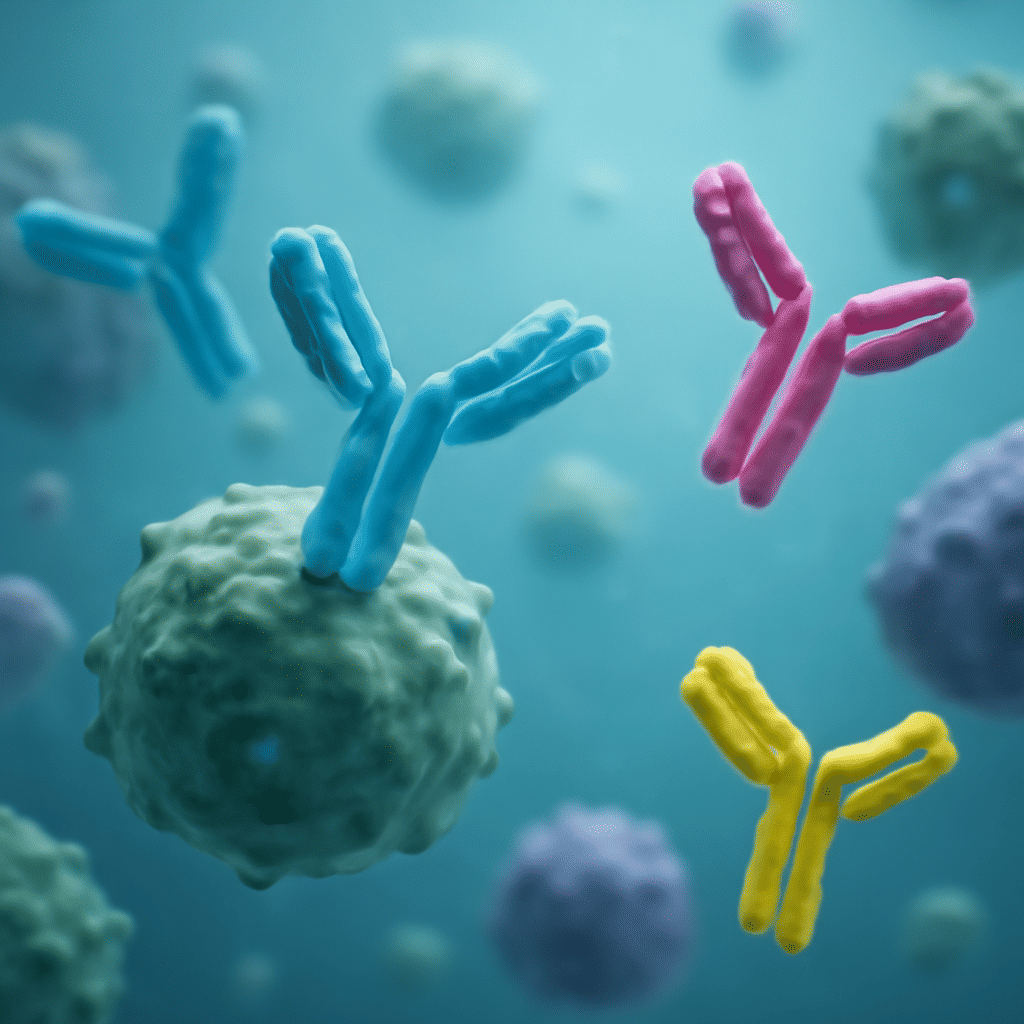
Antibodies are an essential component of the immune system, playing a crucial role in identifying and neutralizing pathogens such as bacteria, viruses, and other foreign invaders. These remarkable proteins are produced by specialized white blood cells called B cells, and each antibody is specific to a particular antigen, effectively acting as a homing missile in the biological warfare against infections.
The primary function of antibodies is to recognize and bind to antigens, which are molecules typically found on the surface of pathogens. Once attached, antibodies can neutralize the threat directly or tag the pathogen for destruction by other immune cells. This process not only helps to clear the current infection but also aids in forming immunological memory. Memory B cells are generated during this process, allowing the immune system to respond more swiftly and effectively should the same pathogen attempt to invade again.
Recent research breakthroughs have shed light on the diverse roles antibodies play in managing infections and diseases. With the advent of advanced techniques in molecular biology and biotechnology, scientists have been able to manipulate antibodies for therapeutic purposes. One such advancement is the development of monoclonal antibodies, which are engineered in the laboratory and designed to target specific pathogens or toxins. These have proven remarkably effective in treating various conditions, including several types of cancer, autoimmune diseases, and infectious diseases like COVID-19.
Furthermore, the exploration of antibody functions has extended into designing more effective vaccines. Traditionally, vaccines work by introducing a harmless form of the pathogen to stimulate the immune system's production of antibodies. New vaccine technologies, such as mRNA vaccines, have revolutionized this approach by using the genetic blueprint of a pathogen to produce its antigens inside the body, thus prompting an antibody response without the need for the actual pathogen.
Another exciting area of research involves understanding how natural antibodies, which are present from birth, contribute to the body's initial immune defense against infections. These antibodies are less specific than those produced after encountering a pathogen but play a critical role in the early response to a broad range of invaders. Insights into this can help develop new strategies to bolster the immune system in its critical first hours of pathogen encounter.
Scientists are also probing the extent to which antibodies can be harnessed to combat superbugs—bacteria that have become resistant to antibiotics. The development of antibody-based therapies could provide a new arsenal against these formidable foes, circumventing the limitations imposed by resistance to traditional drugs.
In the face of new challenges posed by emerging pathogens and the increasing prevalence of antibiotic resistance, the role of antibodies in fighting infections is more crucial than ever. Continued research and innovation are not only expanding our understanding of these vital components of the immune system but also paving the way for new medical therapies that could transform how we approach disease treatment and prevention. As we unlock more secrets about how antibodies function and interact with other elements of the immune system, we are also laying the groundwork for more resilient health systems capable of withstanding future outbreaks and pandemics.